
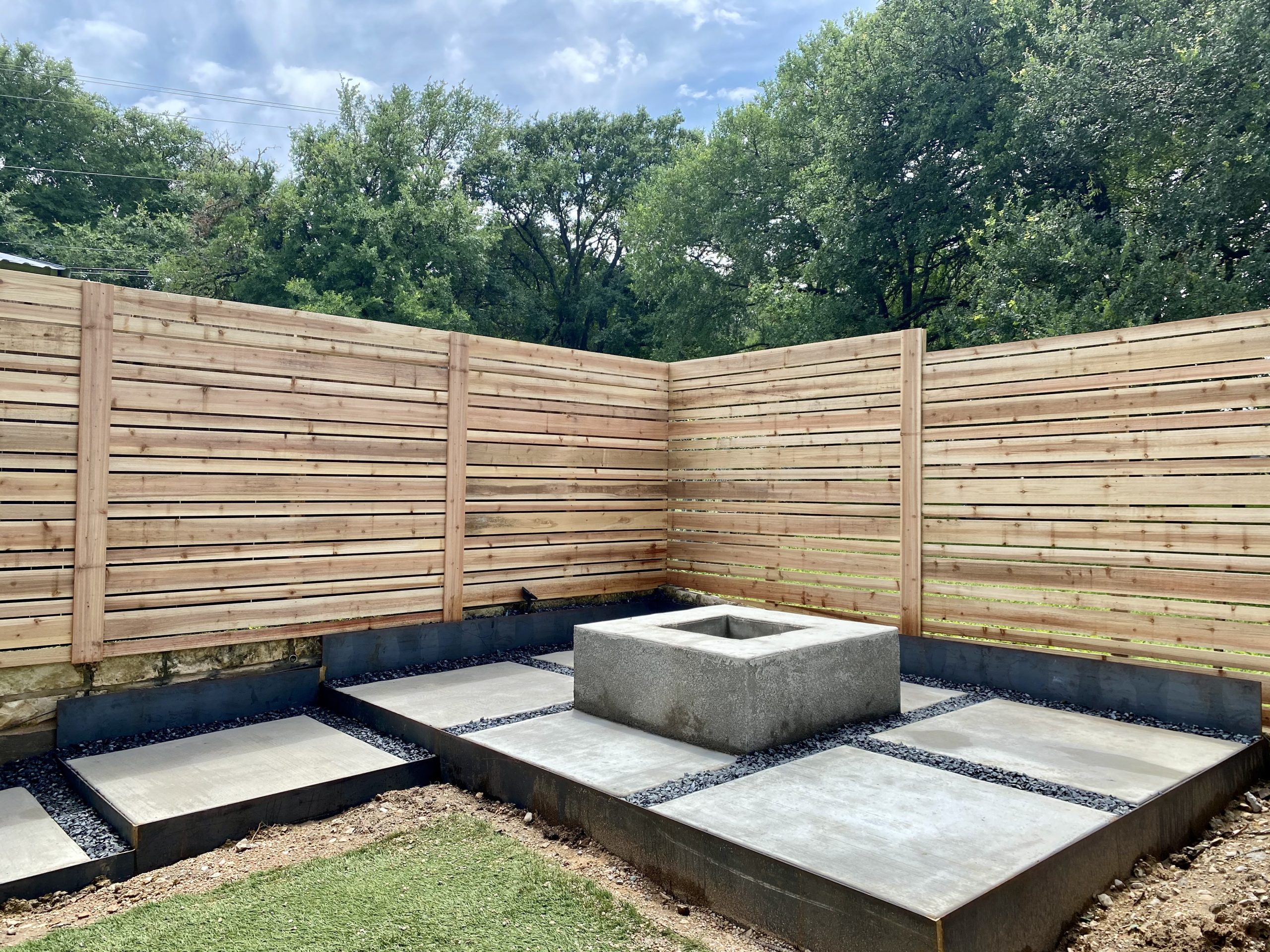
Austin’s fall weather gives homeowners a welcome reason to move dinner, conversation, and game day outside. A well-planned fire feature makes those cooler evenings feel intentional, but the best fire pit ideas for Austin backyards do more than add a flame. They create a natural gathering point, connect different parts of the yard, and fit the way your family actually spends time outdoors.
For many Central Texas homes, the strongest design is a masonry or gas fire feature surrounded by comfortable seating on a durable, noncombustible surface. The style can be modern, rustic, compact, or fully custom. What matters is planning placement, fuel, materials, circulation, and safety together from the beginning.
That whole-space approach matters most when the fire pit sits near a deck, patio cover, outdoor kitchen, mature trees, or a property line. A beautiful feature should look like it belongs with the home and be easy to use long after the first fall gathering.
Start With the Way You Want to Use the Backyard
Before choosing stone, burner style, or furniture, picture a normal evening in the finished space. Are two people using it as a quiet retreat, or will ten guests gather after dinner? Do you want the fire to be the main event, or a warm accent beside a dining area or outdoor kitchen? Your answer will determine the size, shape, and location more reliably than a trendy photo.
A thoughtful plan should account for:
- The number of people you regularly host and the seating they need
- The view from the house, deck, patio, and primary gathering areas
- Clear walking paths to doors, steps, the grill, and the rest of the yard
- Shade, drainage, wind exposure, trees, fences, and nearby combustible materials
- Whether the feature may become part of a larger outdoor living project later
Planning these relationships first helps the fire feature feel integrated instead of dropped into an empty corner.
Five Fire Pit Ideas for Austin Backyards
1. A Hill Country Limestone Gathering Circle
Locally familiar limestone gives a fire pit the warm, grounded character many Austin and Hill Country homes need. A round or gently curved masonry design works especially well in a yard with natural grades, native landscaping, or an informal seating plan. The visible stone creates the style, while the fire-rated inner assembly and careful construction do the important work behind it. Hometown Decking’s custom masonry fire pit and fireplace work can also coordinate the feature with stone benches, walkways, columns, or an existing patio.
2. A Clean-Lined Gas Fire Feature
For a contemporary home, a low rectangular fire feature can echo the architecture’s lines and keep the view open. Gas offers quick ignition, adjustable flame, and a clean shutoff, which can make short weeknight use more appealing. The burner, ventilation, utility connection, controls, and clearances must follow the product listing, manufacturer instructions, and local requirements, so plan this feature with qualified professionals.
3. A Fire Table for a Compact Patio
A fire table combines a flame with usable ledge space, making it a practical choice for a smaller courtyard or patio. Round shapes support conversation, while square and rectangular models align neatly with sectionals. Choose the table only after measuring the full furniture layout. A model that looks compact online can still crowd walking paths once chairs are pulled out and guests are seated.
4. A Built-In Seat Wall Around the Fire
A masonry seat wall adds permanent overflow seating and helps define the fire zone without visually closing it off. The wall can repeat stone from the house, patio border, or landscape walls for a more cohesive result. Movable chairs can then handle daily comfort, while the built-in seating supports larger gatherings without filling the patio with furniture all year.
5. A Separate Fire Zone Connected to the Deck
A fire pit does not have to sit on the deck to feel connected to it. In many layouts, a short transition from the deck to a lower concrete, paver, or masonry zone creates a safer and more attractive destination. The change in level or material creates distinct backyard rooms while preserving an easy flow between dining, cooking, and fireside seating. Hometown Decking and Outdoor Living’s guide to concrete patio design for Austin homes explains why drainage, finish, heat, and daily use should be considered together.
Wood, Natural Gas, or Propane?
Wood Creates the Traditional Campfire Experience
Wood delivers the crackle, aroma, and changing flame that many homeowners picture when they imagine a backyard fire. It also brings smoke, ash, sparks, fuel storage, cleanup, and more attention to changing weather and burn restrictions. That tradeoff can be worthwhile when the ritual is part of the appeal, but it should be a deliberate choice, especially on tighter lots.
Natural Gas Prioritizes Convenience
A properly designed natural gas feature can be ready in seconds and does not require storing wood or replacing portable tanks. It works best when you consider the fire location and gas route early, before finished concrete, masonry, or decking limits your options. A licensed professional should evaluate the connection and equipment requirements.
Propane Preserves More Placement Flexibility
Propane can support a fire table or listed outdoor fireplace when a fixed gas line is not practical. Store and use the fuel container exactly as the appliance manufacturer directs. Plan where the tank will sit, how you’ll access it, and whether the enclosure provides the ventilation required by the specific product.
Choose Materials for the Whole Central Texas Site
The visible finish is only one part of a lasting fire area. Austin-area clay soils, sudden downpours, long periods of heat, and strong sun all affect the surfaces and structures around it. A good plan addresses the base, drainage, expansion, runoff, and how materials meet at edges and steps.
Stone, brick, concrete, and pavers can all support a polished fire zone when they are selected and installed for the actual site. Lighter finishes often feel visually cooler and can soften a sunny patio, while darker stone or metal can create a more dramatic evening focal point. If the fire area connects to wood or composite decking, treat that transition as a design and safety detail, not an afterthought. Do not place a portable fire feature on combustible decking unless the specific appliance, protective system, local requirements, and manufacturer instructions clearly allow it.
Complete the Outdoor Room With Seating, Lighting, and Landscaping
Comfortable seating determines whether the space becomes part of everyday life. Deep lounge chairs encourage long conversations. A sectional can define one edge of a modern patio. Adirondack-style chairs bring a relaxed feel and can be rearranged as the group changes. Whatever you choose, preserve generous circulation and follow the fire feature’s required clearances.
Lighting should help people reach and leave the space safely without competing with the flame. Low path lighting, subtle step lights, and warm overhead lighting can create welcoming layers after sunset. Keep decorative lighting, cords, branches, and fabrics away from heat and open flame.
Around the fire zone, gravel, decomposed granite, stone, and other noncombustible surfaces can create a clean transition into the landscape. Native, drought-conscious plantings add movement and softness, but place them outside required clearances and maintain them so dry material doesn’t collect near the fire.
Check Austin Fire Rules Before You Finalize the Design
Fire features are not all classified the same way, and the rules depend on the device, fuel, property type, and jurisdiction. For single-family homes and duplexes inside Austin, Austin Fire’s recreational fire safety guidance says a recreational fire must be at least 25 feet from structures and combustible materials. Its fuel area may not exceed three feet in diameter or two feet in height, surrounding combustibles must be cleared, the fire must be constantly attended by a competent adult, and a suitable extinguisher or garden hose must be ready for immediate use.
The same Austin Fire page lists a 15-foot separation for portable outdoor fireplaces at single-family homes and duplexes and requires them to be used according to the manufacturer’s instructions. These are important planning minimums, not a substitute for reviewing the exact product, property conditions, HOA rules, utility requirements, and any permit questions before installation.
Outside Austin city limits, check the rules for the applicable city, county, or emergency services district. Burn-ban status can also change with conditions. The Travis County burn ban status page explains that a county burn ban prohibits outdoor burning activities, including campfires and fire pits in non-designated areas, and provides current alerts. Check the official status before every use rather than relying on what was true earlier in the season.
Make the Fire Pit Feel Like It Has Always Belonged There
The most successful fire pit is not necessarily the largest or most elaborate. It is the one that fits the architecture, gives guests a comfortable place to gather, and connects naturally to the rest of the backyard. Material transitions feel deliberate. Seating faces the right direction. The walk from the house is easy. Safety requirements are part of the design instead of a compromise added later.
Hometown Decking and Outdoor Living designs and builds decks, concrete patios, masonry, pergolas, patio covers, and outdoor kitchens for Central Texas homeowners. If a custom fire pit is part of a bigger backyard vision, explore Hometown Decking’s outdoor living services, then contact the team for a free quote. A thoughtful site visit can turn separate ideas into one outdoor space that looks refined, works comfortably, and is ready for the way you want to live outside.
Frequently Asked Questions About Austin Backyard Fire Pits
What type of fire pit works best in an Austin backyard?
The best fire pit matches your yard’s size, your home’s architecture, your preferred fuel, and how your family entertains. Masonry pits suit many Hill Country designs, while clean-lined gas features and fire tables work well in contemporary or compact spaces.
Is a wood-burning or gas fire pit better for Central Texas?
Wood is best for homeowners who want a traditional campfire experience and can handle smoke, sparks, fuel storage, cleanup, and burn restrictions. Gas is usually easier to start, adjust, and shut down, but it requires properly selected equipment and professional utility planning.
Can a fire pit go on a wood or composite deck?
Do not assume that it can. A fire feature belongs on a combustible deck only when the specific listed appliance, protective system, manufacturer instructions, local requirements, and deck design all support that installation. A separate masonry or concrete fire zone is often the clearer design solution.
How far should a fire pit be from the house in Austin?
Austin Fire lists at least 25 feet between a recreational fire and structures or combustible materials at single-family homes and duplexes. It lists at least 15 feet for portable outdoor fireplaces. The exact classification and product instructions still matter, so confirm the requirements for the planned feature.
Do I need a permit for a permanent fire pit in Austin?
Permit needs depend on the feature, fuel, utility connection, construction scope, and jurisdiction. Check with the City of Austin or the local authority before work begins, and use licensed professionals for regulated gas or electrical connections.
Can I use a backyard fire pit during a Travis County burn ban?
A Travis County burn ban restricts outdoor burning and includes campfires and fire pits in non-designated areas. Because status and local rules can change, check the official county page and the applicable fire authority before lighting any outdoor fire.
What materials work well around an Austin fire pit?
Stone, brick, concrete, pavers, gravel, and decomposed granite can create durable, noncombustible surroundings when the base, drainage, heat exposure, and required clearances are properly designed. The best finish also coordinates with the home and the rest of the outdoor living space.

